

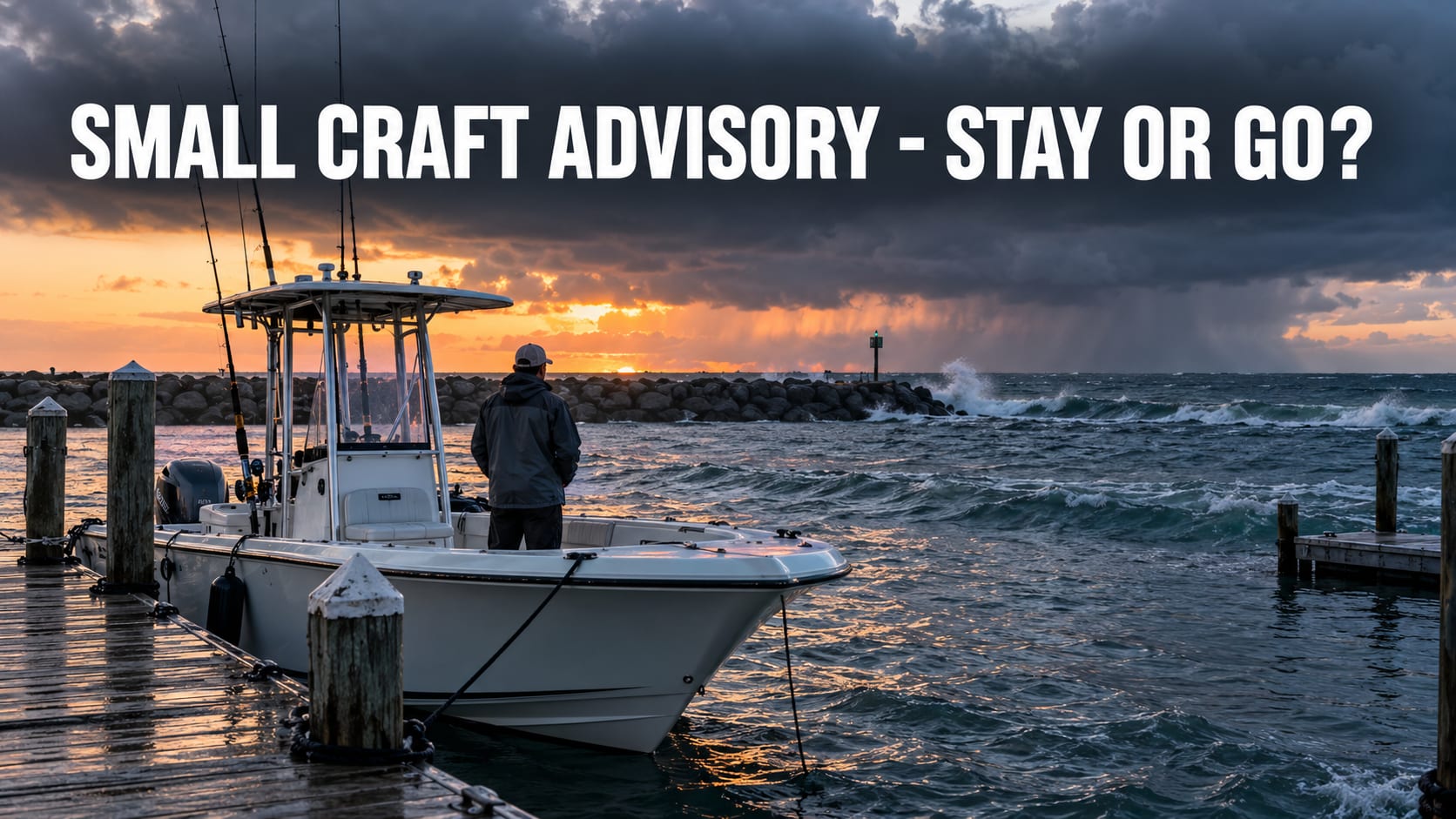

You pull up the forecast on a Saturday morning and there it is: small craft advisory. Plenty of boaters read that phrase, shrug, and head out anyway because the marina looks calm. Here's the thing, that advisory is not written for the water you can see from the parking lot. It is written for the water you will be crossing an hour from now, and it deserves a real decision instead of a shrug.
A small craft advisory is the National Weather Service telling you that winds or seas are expected to get uncomfortable or dangerous for smaller vessels. The exact numbers vary by region and forecast office, but you are generally looking at sustained winds somewhere in the low-20s to low-30s knots, or wave conditions that make small boats hard to handle. Notice the word small. The advisory does not put a size on it, and that is the point. What counts as small depends on your boat, your crew, and the stretch of water you plan to cover.
Where a Small Craft Advisory Sits on the Warning Ladder
Think of the marine warnings as a ladder. A small craft advisory is the bottom rung of the serious stuff. Above it sit a gale warning, which means sustained winds of 34 to 47 knots, then a storm warning, then hurricane-force warnings. If you see a gale warning, the question is no longer whether to go. The question is how to secure the boat where it sits.
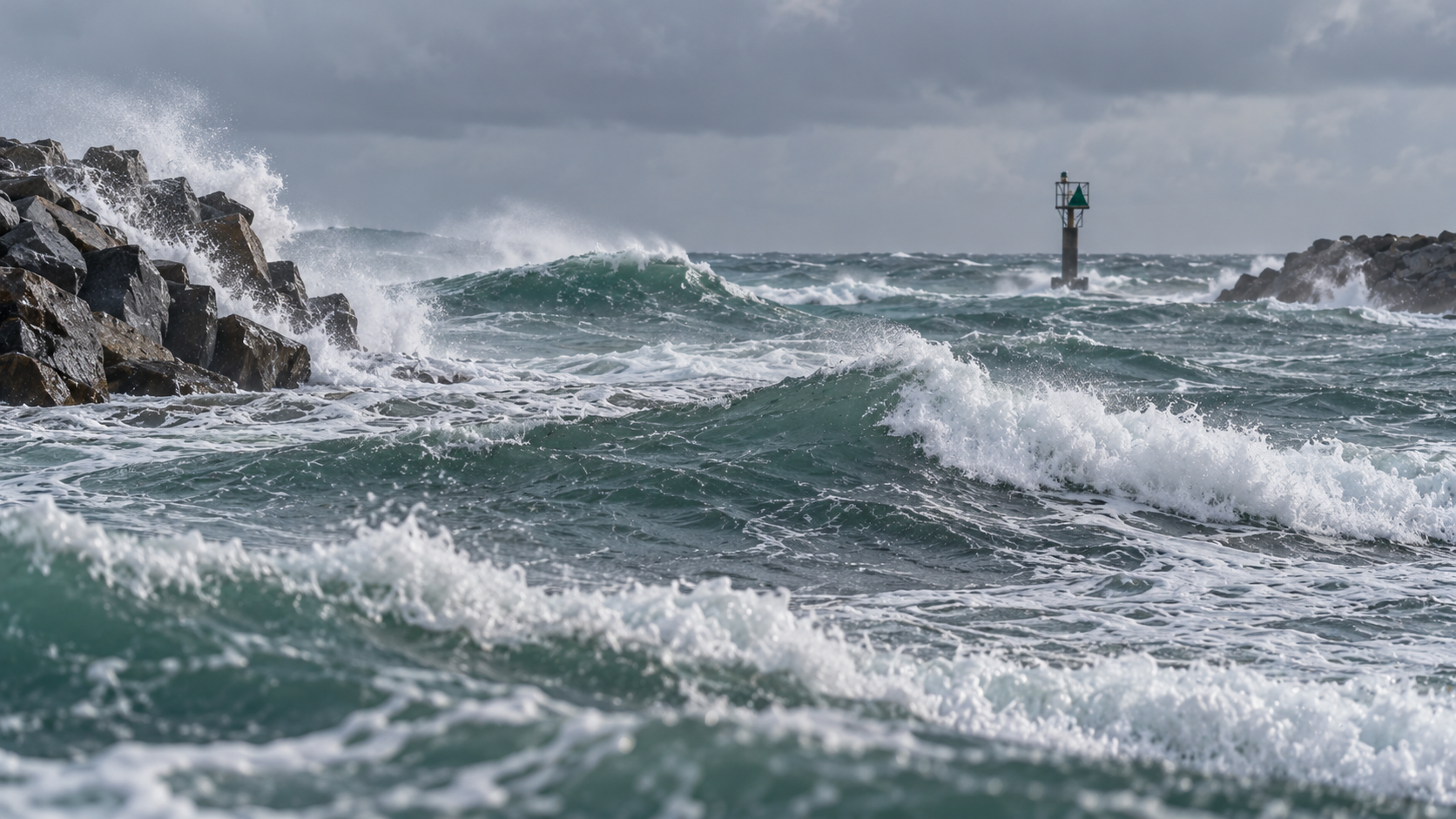
The advisory is the one that tricks people because it feels like a mild version of the real thing. Wind speed is only half of it. Short, steep waves stacked close together will beat up a twenty-foot boat far worse than the same wind would on open, long-period swell. Wind blowing against the tide in an inlet or river mouth can stand the water straight up. I've written before about reading marine weather before you leave the dock, and the same habit applies here: read the wind, then read what the water will do with it.
How to Make the Go or No-Go Call
Start with your boat, not the forecast. A deep-V with good freeboard and a capable crew can handle conditions that would swamp a small open skiff, and an honest read of your own vessel is the most valuable input you have. Then look at where you are going. A short run inside a protected harbor is a different animal from crossing an open channel or rounding a point where the wind and current funnel together.
Next, look at the timing. Advisories often come with a window, and conditions at 8 a.m. may be nothing like conditions at 2 p.m. If the wind is forecast to build through the afternoon, the trip home is the hard part, so plan your return as carefully as your departure. A good rule of thumb is that if you would not want to be caught out in the worst hour of the forecast, you should not leave. And if you do go, tell someone where you are headed and when you will be back, which is exactly what a float plan is for.
If You're Already Out When It Arrives
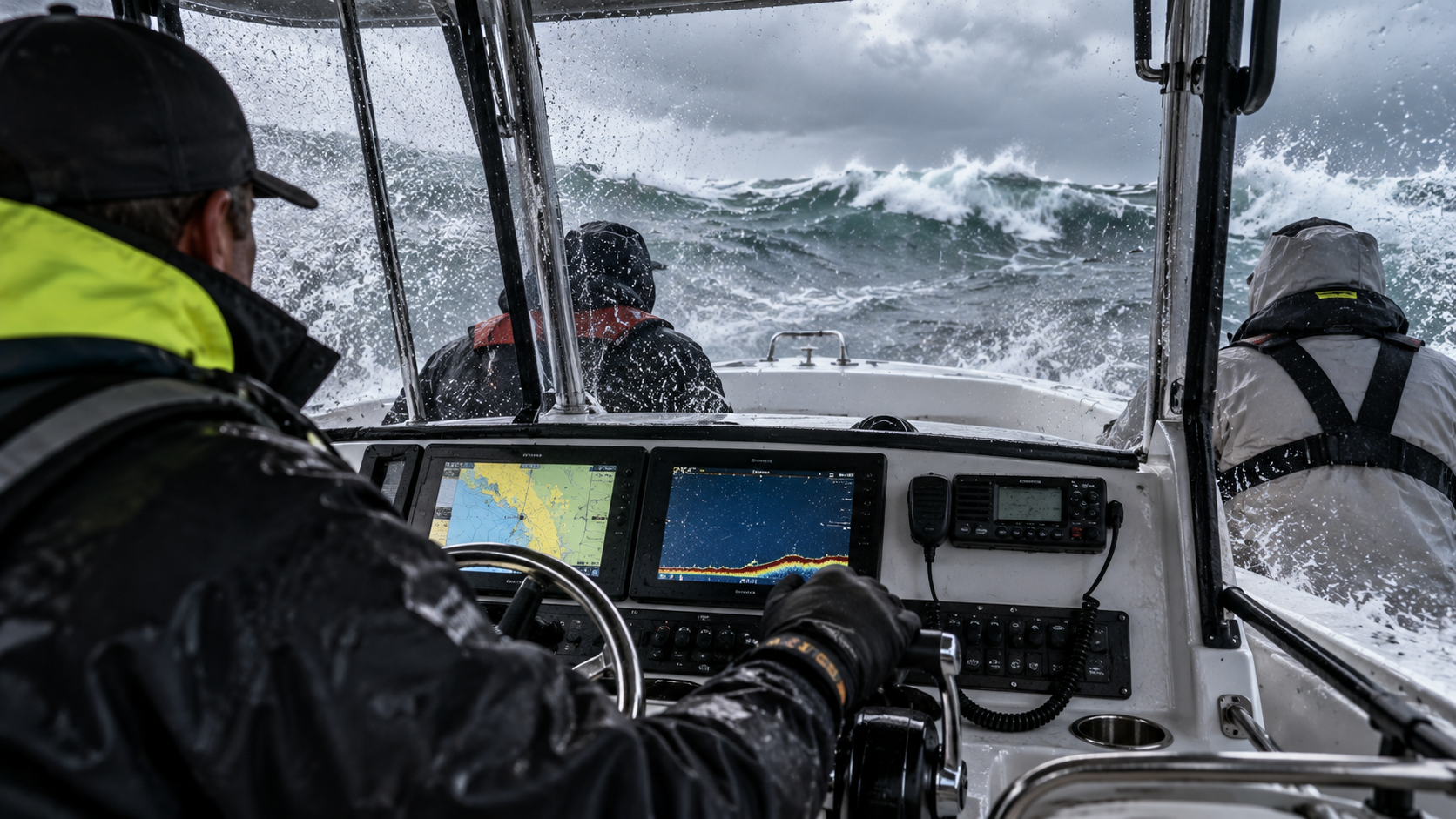
Sometimes the forecast is wrong or the timing slips. Keep a VHF radio on and tuned to the weather channel so you hear updates before you feel them. Knowing how to use your marine VHF properly also means you can call for help the right way if things go sideways. Make sure everyone aboard is wearing a life jacket before the water gets rough, not after. Slow down, point the bow into the seas at an angle that keeps the boat comfortable, and head for the closest protected water instead of the one you originally planned for.
Make the Advisory Part of Your Routine
The boaters who stay out of trouble are not braver or luckier. They check the marine forecast the night before, check it again that morning, and treat a small craft advisory as a reason to slow down and think. Sometimes the right answer is to go anyway on a shorter route. Sometimes it is a quiet day at the dock working on the to-do list. Either one beats a tow.
If you've had to make this call on your own boat, drop your experience in the comments. I'd like to hear where you draw the line.
