


Weather on the water changes faster than most people expect. What starts as a calm morning can turn into whitecaps and gusting winds in under an hour, and if you are not paying attention before you leave the dock, you are already behind. I have been caught off guard a couple of times myself, and those experiences taught me to treat weather checks like a non-negotiable part of every trip.
You do not need to become a meteorologist. But you do need to understand the basics well enough to make a smart call about whether today is a good day to be out there.
Wind Speed and Direction Are Everything
Forget about temperature and cloud cover for a second. Wind is the single most important factor in whether your day on the water will be comfortable or miserable. Sustained winds of 10 to 15 knots are manageable for most recreational boats, but once you get above 15 knots with gusts pushing into the 20s, conditions change fast. Waves build, spray comes over the bow, and anyone new to boating is going to have a rough time.
Pay attention to wind direction too. An offshore wind might feel calm at the dock, but it is pushing you away from shore the entire time you are out. An onshore wind creates chop at the harbor entrance that can make coming back in tricky. Knowing where the wind is coming from tells you what kind of seas to expect in different parts of your cruising area.
Understanding NOAA Marine Forecasts
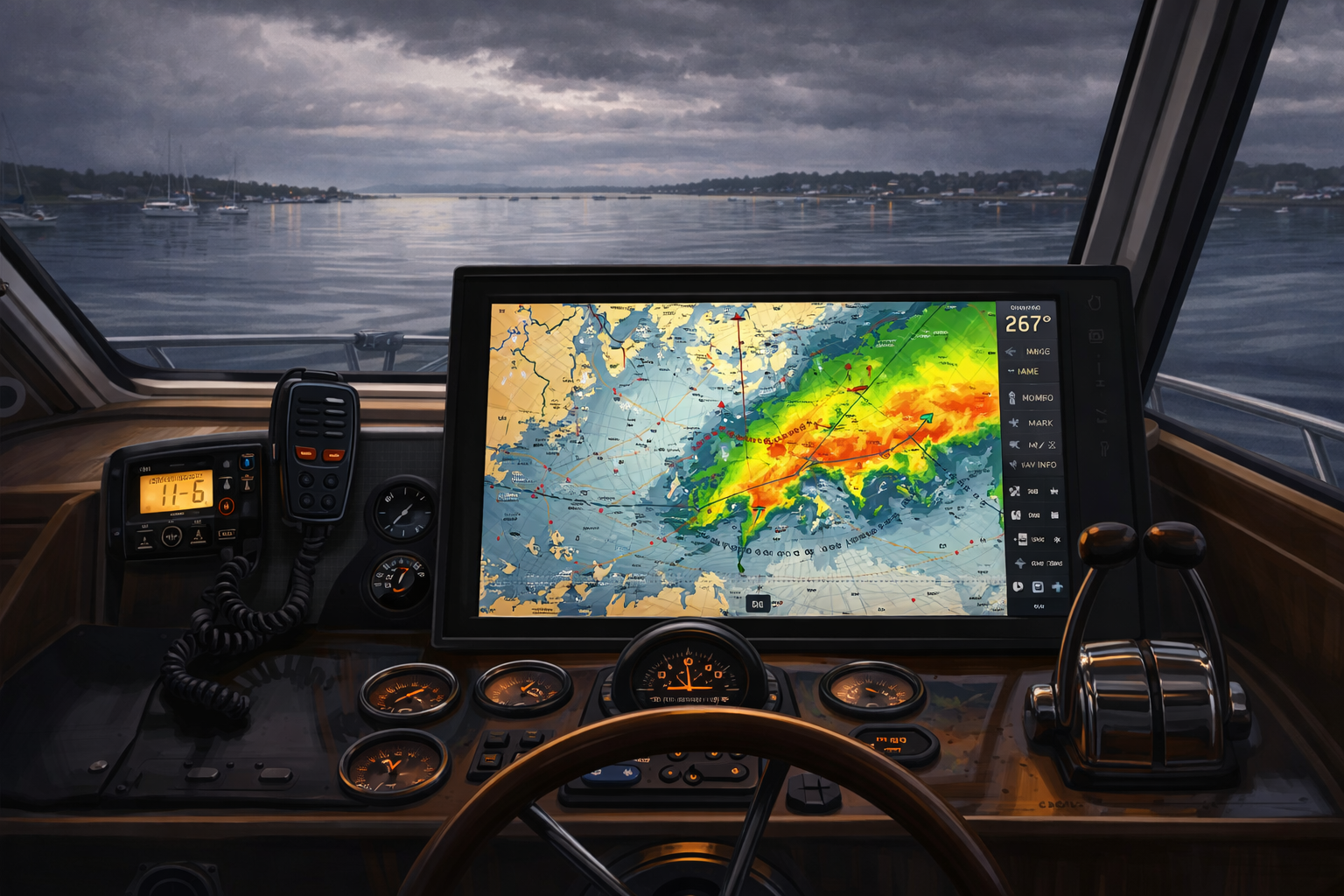
NOAA marine forecasts are free, updated multiple times a day, and give you the most reliable picture of what is coming. You can pull them up on weather.gov, through a VHF radio on WX channels, or from apps like Windy or PredictWind. The key things to look at are the wind forecast, wave height, and any advisories or warnings issued for your area.
A Small Craft Advisory means conditions are hazardous for small boats, generally winds 21 to 33 knots or seas above 5 feet. If you see one posted for your area, stay home. A Gale Warning is even more serious and applies to everyone. These are not suggestions. Even if the sky looks clear when you check the forecast, trust the data over your eyes. Weather systems move in fast, and by the time you can see the storm, you are already in it.
Reading the Sky and Water Before You Go
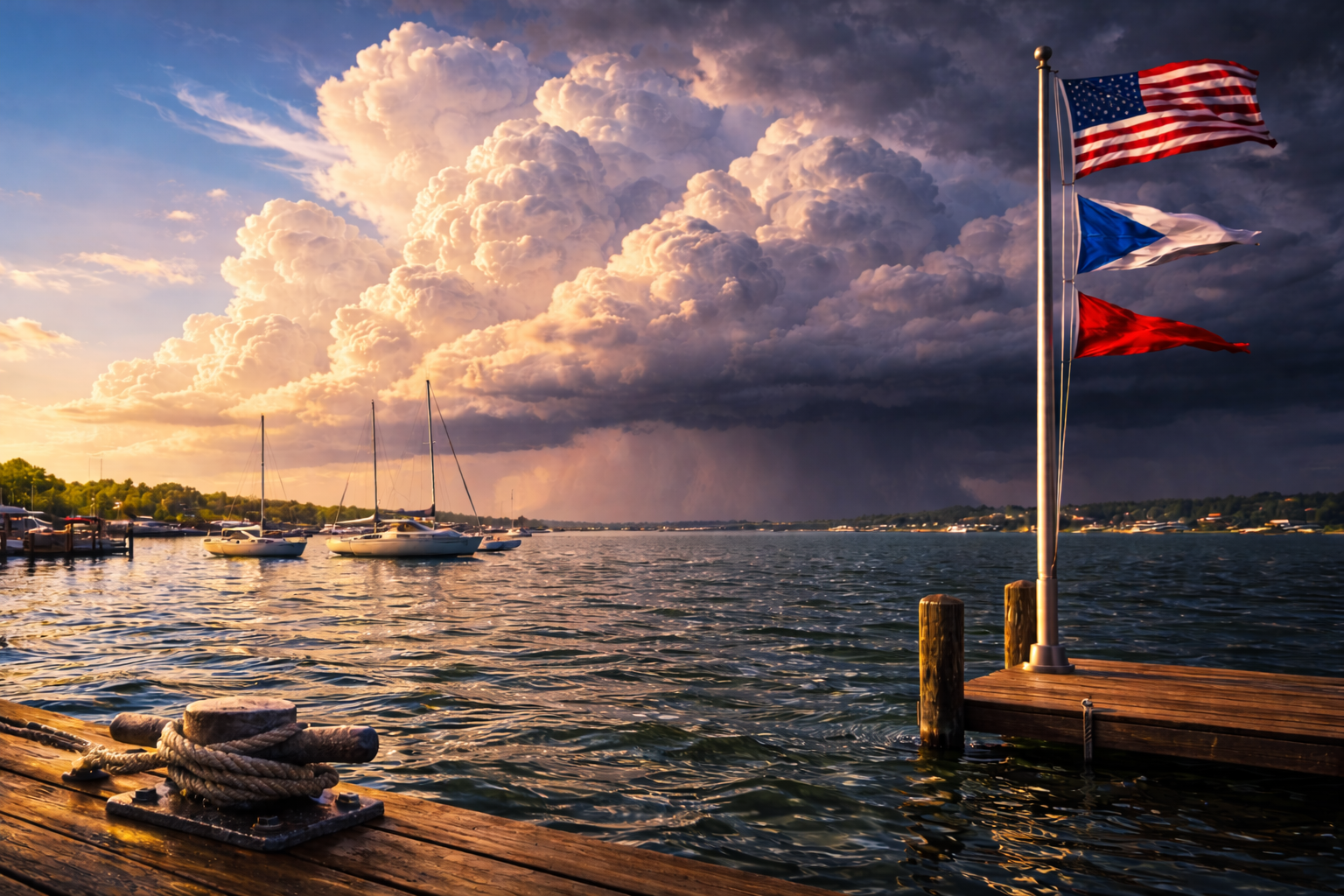
Technology is great, but there is real value in reading conditions with your own senses before you leave. High, wispy cirrus clouds moving in from the west often signal a weather change within 24 to 48 hours. Towering cumulus clouds building vertically during the afternoon mean thunderstorms are likely. A sudden drop in barometric pressure, which you can track with a simple barometer or your phone, almost always means deteriorating conditions.
Look at the water surface at the dock. If you can see wind lines and cat-paws ruffling across the harbor, it is already blowing more than the morning calm suggested. Watch the flags at the marina. If they are snapping straight out and you had planned a gentle cruise, reconsider your route or your destination.
When to Make the Call and Stay Home
Here is the thing most experienced boaters will tell you. There is no shame in canceling a trip. The water will be there tomorrow. The hardest skill in boating is not navigation or docking. It is having the discipline to stay at the dock when conditions are marginal. If you are second-guessing whether it is safe, that is your answer. Marginal conditions combined with inexperience or an unfamiliar boat are how accidents happen.
I keep a simple rule. If I would not want a beginner out in these conditions, I check my plan twice before going. If the forecast calls for deteriorating conditions later in the day, I either go early and come back early, or I skip it entirely. Having a solid grasp of basic boating safety only matters if you also make smart decisions about when to use it.
The best days on the water start with a good weather check. Make it a habit before every single trip, even the short ones. Five minutes of research can save you from a very bad afternoon. And if you are still getting comfortable with the basics of being on the water, learning to read weather is one of the most valuable skills you can develop early on.