

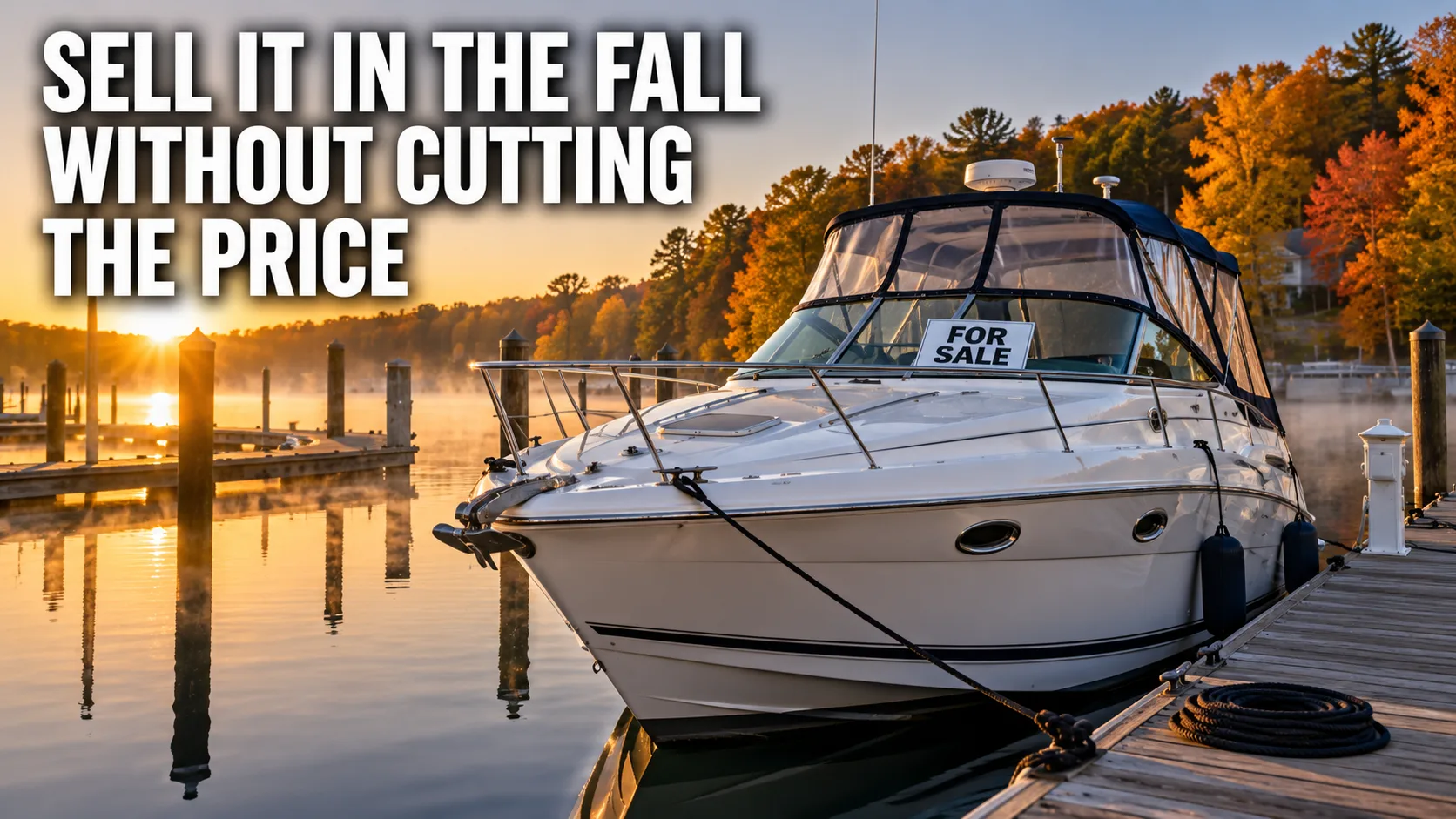

Every year around the second week of September the phone stops ringing, and every year a batch of sellers panic and cut ten percent off the asking price. Don't. Fall doesn't kill your sale — it changes who is shopping and what convinces them.
The boats that move between now and Thanksgiving belong to owners who understood that and adjusted their listing, not to the owners who got cheapest fastest.
Who Actually Shops for Boats in October
Summer buyers are dreamers. Somebody sees a boat go by on a warm July afternoon, gets excited, requests three showings and never makes an offer. Fall buyers are a different animal. They're the guy who spent the whole season without a boat and refuses to repeat it, the owner who just sold and is trading up before spring, and the buyer who has done enough homework to know exactly how prices soften once the season ends and is shopping deliberately because of it.
That last buyer is the one to plan for. He already expects fall pricing, so knocking five grand off won't impress him. What impresses him is a boat that's clean, documented, and available for a haul-out and survey this month while the yard can still get to it. Volume works in your favor too — in June you're one of forty comparable listings, and in October you might be one of eight. That's leverage, as long as you keep maintaining the listing like it's still June.
Price Against What's Selling, Not What's Listed
The classic mistake is anchoring to asking prices you see online. Those include every stale listing that has been sitting since April precisely because it's overpriced, and averaging them tells you nothing. What matters is what closed. Pull sold comps for your make, model, and year range, adjust honestly for engine hours, repower history, and electronics, and set your number inside that band.
Then hold it. Cutting the price in the first three weeks of a fall listing signals that you're anxious and invites lowballs from people who will now wait you out. A number that was right on day one draws a serious offer without the dance. If you already priced against real comps back in midsummer and the boat still didn't move, that's a different problem — and the fix is almost always presentation or one specific defect, not another thousand off the top.
The Prep That Matters More Now Than It Did in June
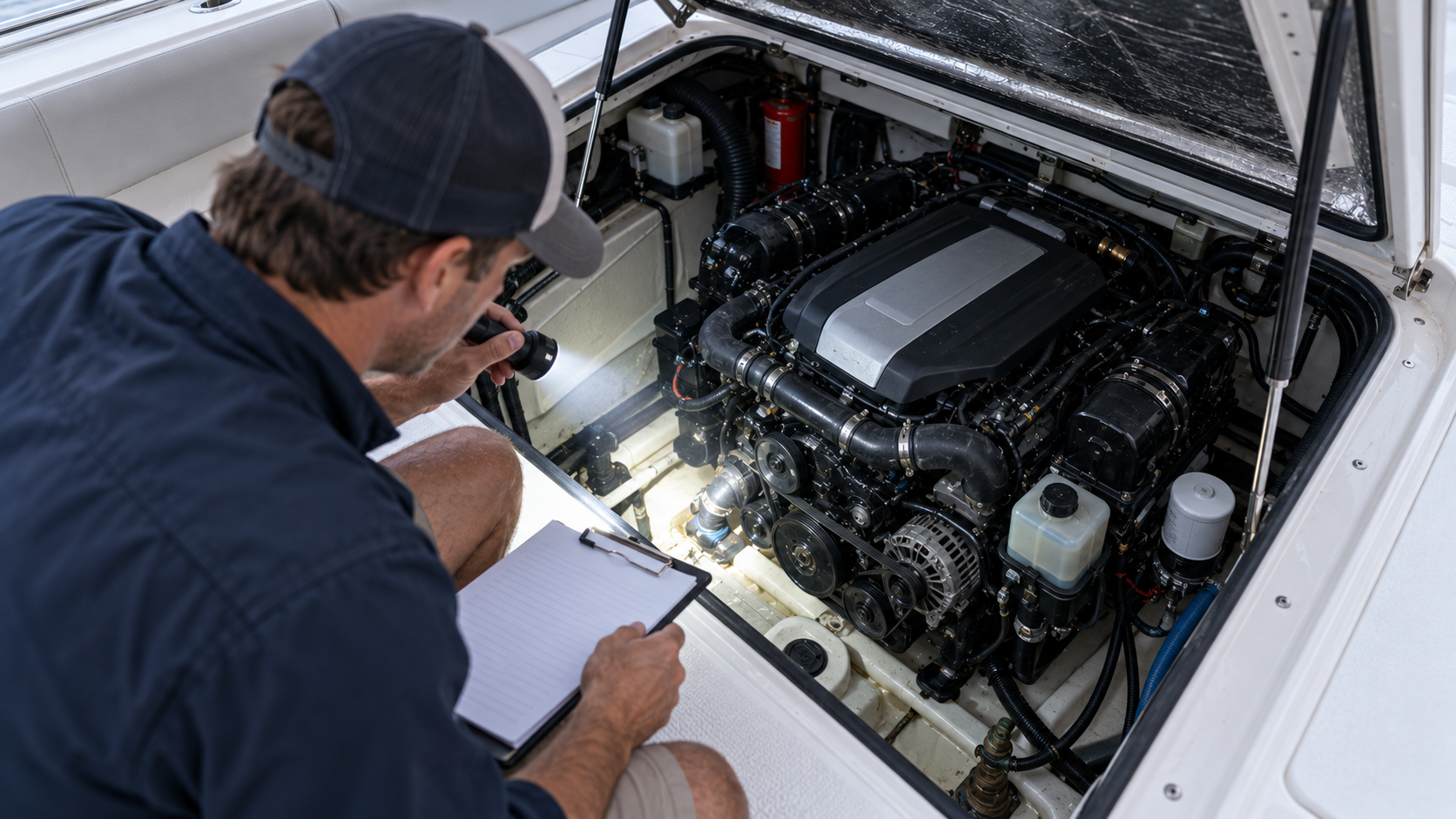
Fall buyers inspect harder because nobody is rushing to make Saturday's sandbar trip. They will open the bilge, watch the engine start cold, and ask when the impeller was last changed. More importantly, they're buying into a storage season instead of a boating season, so every open item gets counted twice — once as the repair bill and once as the winter they paid for without using the boat.
The prep work worth doing before you list hasn't changed, but the priority order has. A clean bilge, a fresh oil change with the receipt stapled to it, working electronics, and a folder of service records will move a fall boat faster than any cosmetic upgrade. Fix the things that read as neglect, and leave alone the things that just read as somebody else's taste.
Photograph Her Before the Weather Turns
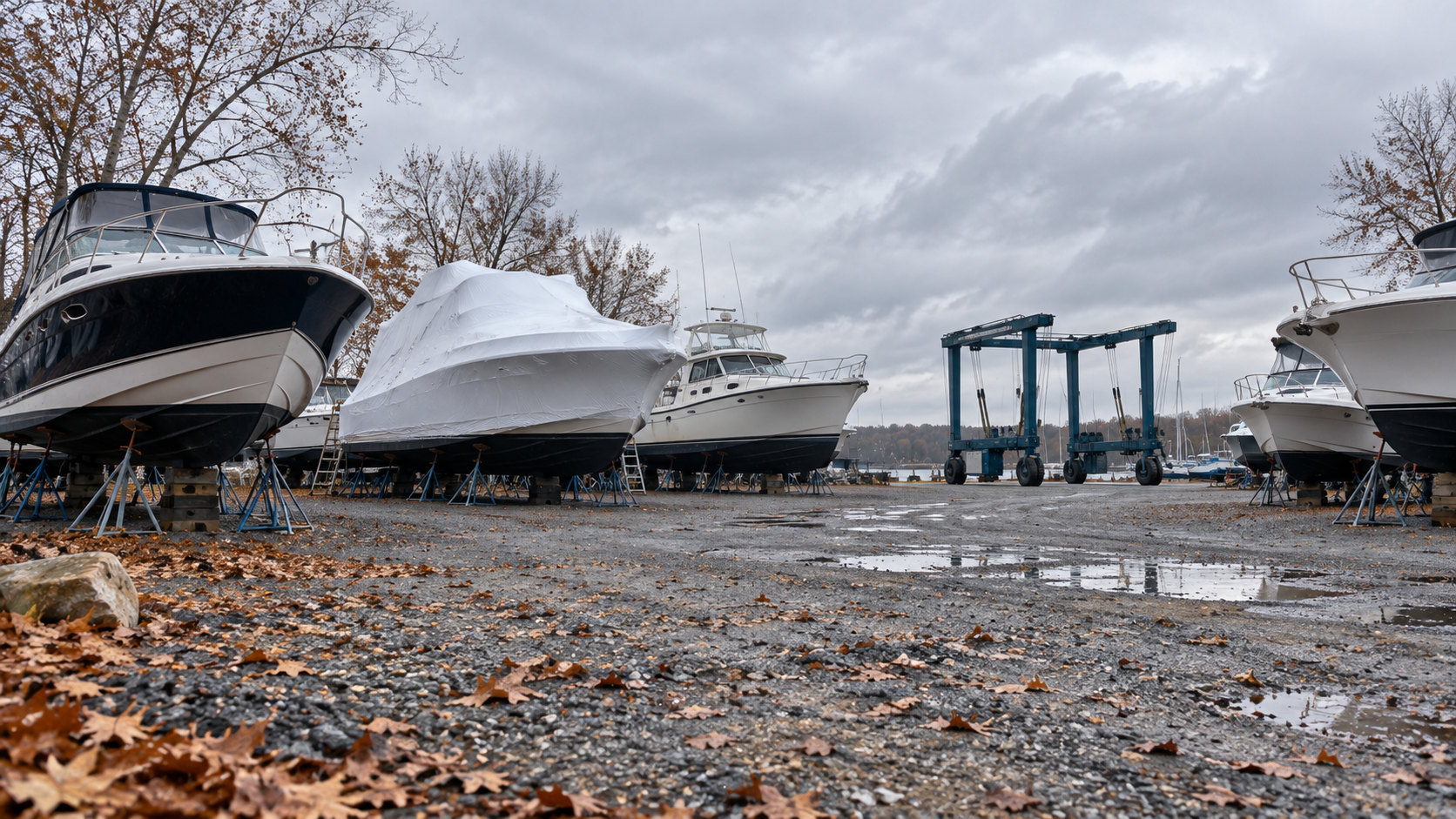
This is the most time-sensitive item on the whole list. If the boat is still in the water and the sun is still out, shoot it this week. Nobody wants to scroll through pictures of a shrink-wrapped hull sitting on gravel in November, and one good set of on-the-water images will carry a listing all the way through winter and into the spring market.
Shoot on a clear day, early or late for the light, get her underway if you can find a second driver, and cover every space aboard rather than the four prettiest angles. Consistency is what does the work here — full, honest photo coverage is what makes a buyer trust everything else you've written in the description. If she's already hauled, at minimum pull the cover, wash her, and shoot in decent daylight instead of posting three dark phone photos and hoping.
Decide Now Whether You're Wintering Her
Have this conversation with yourself in September, not on December 20th. If the boat hasn't sold by mid-November, are you storing her another year or are you taking a real offer now? Storage, insurance, winterizing, and wrap add up to a number you can actually calculate, and that number belongs in the math the moment a fall offer lands in your inbox.
Sometimes holding is genuinely right. A well-kept boat in a thin category can do better in April, and there's no shame in waiting for the right buyer. But the seller who pays for a full winter of storage and layup to squeeze two thousand more out of a spring sale hasn't won anything. Know which one you are before the first offer arrives, and negotiate from that decision rather than from panic.
Price it honestly, present it like you mean it, and stop apologizing for the calendar. What's your experience selling in the shoulder season — did you hold out for spring or take the fall offer? Let me know in the comments.