




If you're thinking about selling this year, you're sitting in the best window you're going to get. Midsummer is when buyers are out on the docks, boats are in the water, and somebody who walks your slip on a Saturday can picture themselves running that boat home the same afternoon. The problem is that most sellers waste the window by pricing on emotion, and by the time they correct, the season is gone.
Here's the thing about a peak-season price: it isn't a higher number, it's a faster number. You get more buyers, not more dollars per foot. Understand that and you'll price this right.
The Summer Window Is Real, and It Closes Fast
Boat demand is seasonal in a way that catches first-time sellers off guard. Buyers shop when they can use the boat, which means the phone rings hardest from late spring through the end of summer, then goes quiet. Once the leaves turn, the same boat with the same listing gets a fraction of the traffic and the offers get sharper, because what happens to prices after the season ends is not kind to sellers who waited.
That's why the mid-July decision matters more than people realize. A boat you list now, priced sensibly, has a real shot at selling to somebody who wants two good months on the water. The same boat listed in October is a project for next spring, and it gets priced like one.
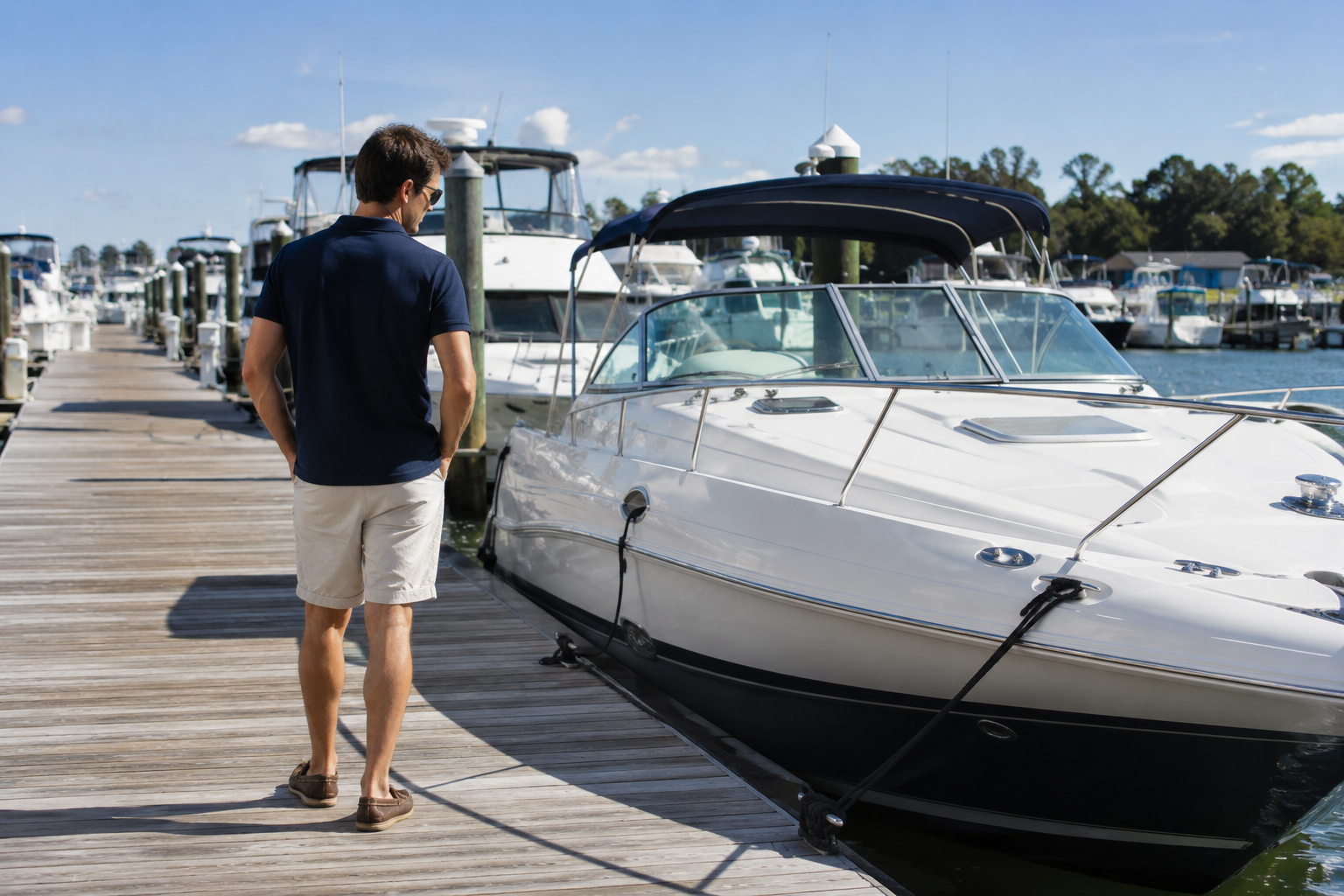
Price Against the Market, Not Against Your Memories
The single most expensive mistake in boat sales is pricing off what you paid, what you've put into it, or what the boat is worth to you. Buyers don't care about any of that. They care about what comparable boats — same model, similar year, similar hours, similar condition — are actually selling for right now.
Do the homework properly. Pull every comparable listing you can find and pay attention to two things: the asking prices and how long those boats have been sitting. A model that's been listed for eight months at a high number isn't evidence of value — it's evidence of a bad price. Then be brutally honest about where your boat sits in that range. If your comps are running from one number to another, decide whether your engine hours, canvas, electronics, and cosmetic condition genuinely put you at the top of that band or the middle of it. Most boats are in the middle.
What Actually Moves the Number
A few things move a boat's price meaningfully, and most of the stuff owners obsess over doesn't. Engine hours and service history matter enormously — a documented maintenance record is worth real money because it removes risk from the buyer's head. Clean, dry bilges, sound canvas, and a hull that's been kept out of the sun matter. Trailer condition matters if the boat comes with one.
What doesn't move the number much is the money you spent on gear that's specific to how you used the boat. Not every upgrade comes back to you at sale time, and knowing which improvements you actually recover will save you from throwing more money at a boat you're about to hand over. If the boat needs work, be strategic — there's a short list of things that genuinely pay for themselves before a sale and a long list of things that don't.
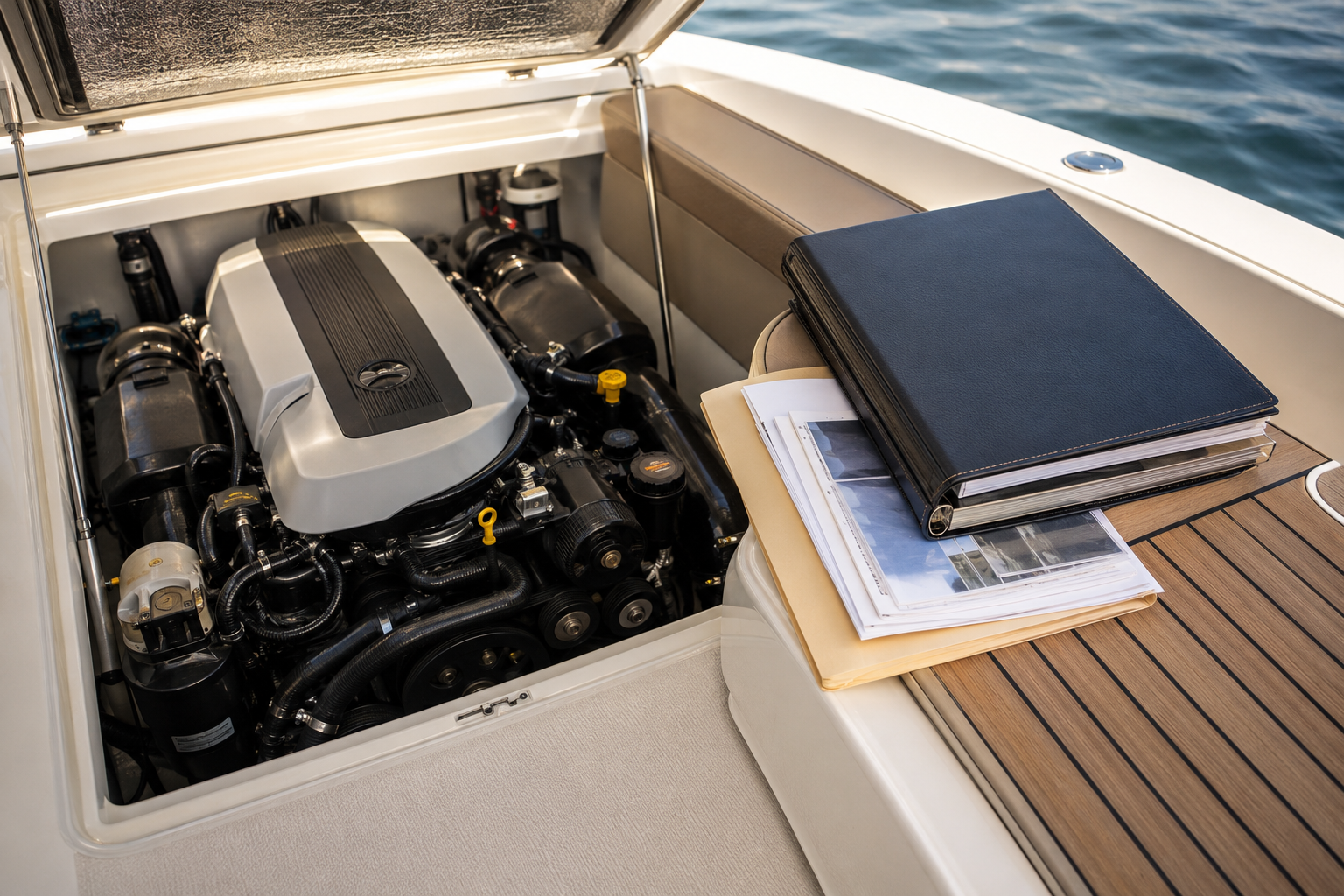
The Real Cost of Starting Too High
Sellers love the idea of leaving negotiating room. In practice, an overpriced boat doesn't get negotiated down, it gets skipped. Buyers filter by price, and if you're above the band, you never even appear in the search results of the person who would have bought your boat.
Worse, listings go stale. A boat that's been on the market for months starts to look like it has a problem, and every buyer who does eventually call opens with a lowball because they assume you're desperate. Price it right on day one, present it well with honest, well-shot photos and a consistent story, and you'll do better than the guy who started twenty percent high and chased the market down all summer.
Be Ready to Move When the Right Buyer Calls
Peak season rewards sellers who are prepared. Have the title, registration, service records, and any loan payoff information gathered before you list. Have the boat clean and running — not "it just needs a battery," actually running. When a serious buyer wants a sea trial on a Thursday, be the seller who can say yes.
Price it honestly, present it honestly, and be ready to close, and a good boat sells in summer. Drag your feet on any of the three and you'll be having this same conversation in November, at a worse number. If you're getting ready to list this month, tell me what you're selling in the comments — I'll tell you what I'd be watching for if I were the buyer.