

The entire process of becoming a captain can be intimidating, so hopefully this guide helps you figure out what it takes and get it done the first time. I’ll be going over the U.S. process for getting your 100-ton Master credential, including the hiccups I ran into when I first did it. If you’re viewing from another country, check with your local government for their requirements — though a lot of the general knowledge on the test is similar around the world.
What Being a Captain Actually Means
In the United States, it’s mandatory to be a captain if you’re piloting a vessel that accepts paying passengers. That’s one of the main reasons boaters get their license. Others do it to obtain insurance, get hired on larger commercial vessels, or just develop their skills. But here’s what you need to understand before you start: captains are responsible for everything that happens on board. Normal accidents that could happen on the water can end up being criminal charges for the captain. So ask yourself whether this is something you want for your career or just for the title. The requirements are that you’re a U.S. citizen and at least 19 years old.
There are many levels — from six-pack licenses all the way up to 500-ton cargo pilots. The 100-ton Master is a great place to start and could be your only step. It covers any vessel from zero to 100 gross tons, which handles the vast majority of all boats out there. The 100-ton process includes 25-ton, 50-ton, and 100-ton designations, plus Inland and Near Coastal, with endorsements available for sailing and towing. The course is the same for all of them — which designation you actually receive is determined by the Coast Guard based on your sea time.
The Steps (You Can Do These Simultaneously)
The good news is most of these steps can happen at the same time. I’ve included a Coast Guard checklist link and all the necessary forms are available at the National Maritime Center’s website.
The medical evaluation is a physical that includes an eye, hearing, and colorblind exam. You can still become a captain if you’re colorblind — you just have to differentiate between green and red navigation lights. You can take the form to any physician, but in my experience, doctors who haven’t filled it out before can have trouble getting it right. I drive to my nearest commercial port where there are offices that specialize in mariner physicals. It can be extremely frustrating to have your private doctor half-ass one of the most important documents for your career.
The drug test is the most time-sensitive item — it has to be completed within six months of your application. I usually take mine as late as possible since the review process can take months. Also, don’t do drugs. First aid and CPR is the easiest thing on the list — just complete a class within one year and get your certificate. It only takes a couple hours. It does need renewal every two years, while your actual credential only renews every five.
The TWIC card is mandated by the Maritime Transportation Security Act and gives you access to national maritime facilities and vessels. It’s basically a background check in card form. You apply through the TSA’s TWIC page, make an appointment, and get fingerprinted. I’ve honestly never used mine for maritime access — I use it to get through airports because there’s a Known Traveler number on the back. TSA PreCheck, baby. But beyond that, it’s a pretty cool holographic not-a-terrorist card that serves as a background check for your credential.
The Course and the Test
The 100-ton test can be taken at a Coast Guard facility, but there are many accredited schools that teach you how to pass it. These courses usually come in two or six week durations with the test at the end. They cover general boater knowledge, chart reading, safety rules, and rules of the road. Online versions have become popular, though they still require in-class testing. I took mine in school and thought it was one of the most enjoyable classroom experiences I’ve ever had. I highly recommend going in person and learning with other like-minded boaters. The test itself consists of five exams covering everything from vessel construction to chart plotting to rules of the road.
Sea Time: The Most Important Piece
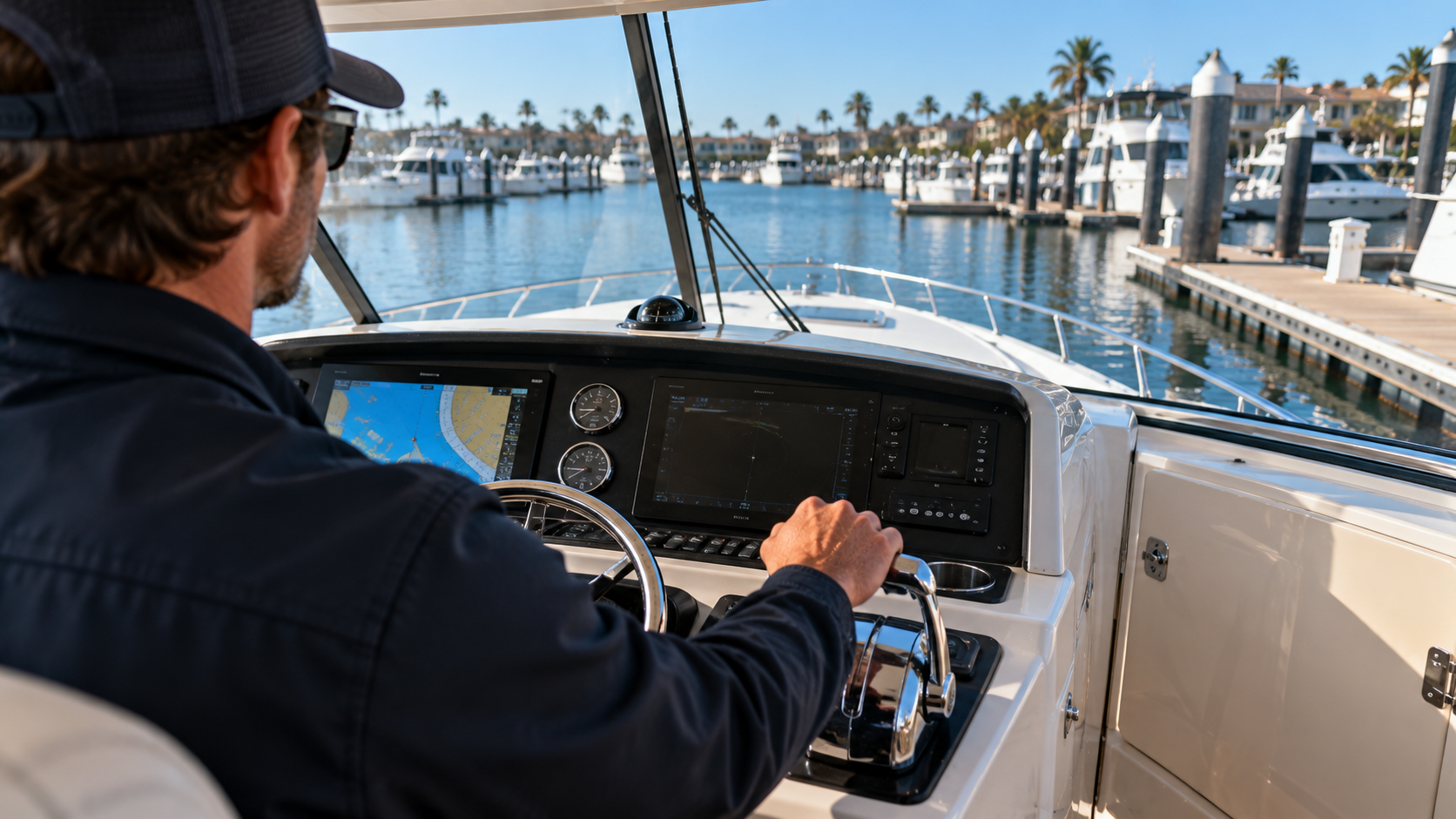
Notice how I didn’t mention a driving portion of the captain’s course. That’s because all your experience is supposed to have already happened, and the Coast Guard determines this through your sea time. Sea time is measured in days, where a day is anything over four hours in a 24-hour period. For a Near Coastal designation, you need 720 days. Inland only needs 360. Of those days, 90 have to be within the last three years, but they go all the way back to your 16th birthday and never expire.
Your tonnage rating depends on the size of vessels you’ve operated. For a 100-ton license, you need 180 days on a vessel over 51 gross tons — or you can double the days with 360 days on a vessel over 34 gross tons. For 50-ton, it’s 180 days over 26 gross tons or 360 days over 17 gross tons. If you don’t meet those criteria, you end up with the 25-ton designation. It’s a bit easier to understand when you read the details on the Coast Guard’s site than when I explain it verbally.
You log all this time on a Small Vessel Sea Service form. It has three parts: vessel information, a calendar-style day log, and a section where you and the vessel’s owner or operator sign off that the hours are legitimate. Owners can sign their own form with proof of ownership. The Coast Guard does double-check — I once signed off on my own hours as an operator and they came back asking for a form from the owner.
The Application and What Comes After
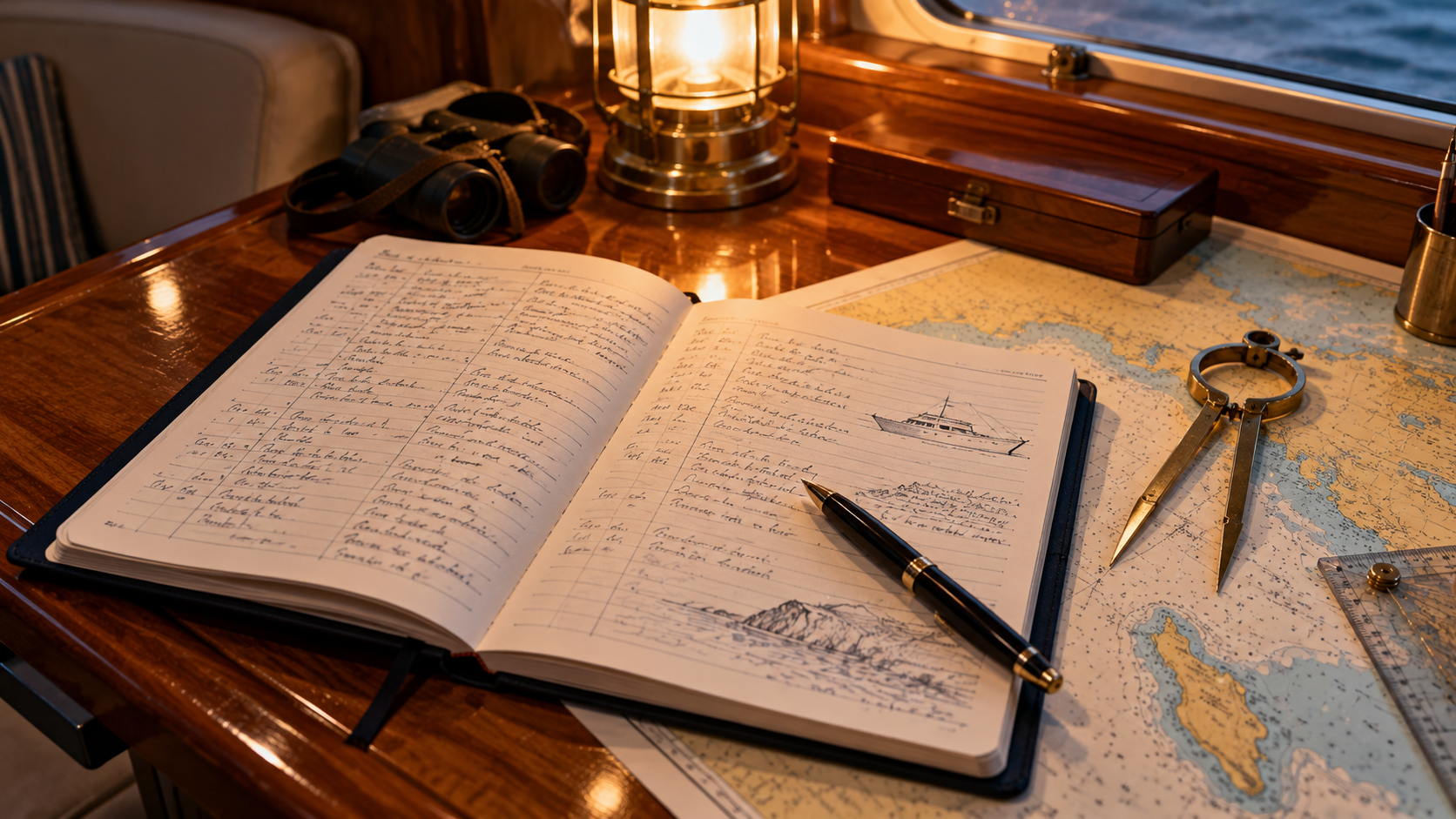
Once everything is complete, you submit your application online through the Coast Guard’s designated payment service. The form asks about any criminal convictions and which credential you’re applying for. Fill it out properly the first time — any errors get sent back and add months. The review process can take anywhere from a few weeks to several months before you receive your credential in the mail. I firmly believe that anyone who applies themselves to this process can complete it, and it’s a great career investment. But just because you received your Master’s credential doesn’t make you the best captain on your side of the Atlantic. Insurance companies and employers will still ask for your resume. That red booklet that says Captain only gets your foot in the door. Start with small boats, work your way up, continue learning under more experienced captains, and explore new waters wherever you can.
If you're interested in what a captain's career looks like day to day, I broke down how I plan a multi-day trip in what it takes to deliver a yacht down the coast.
