

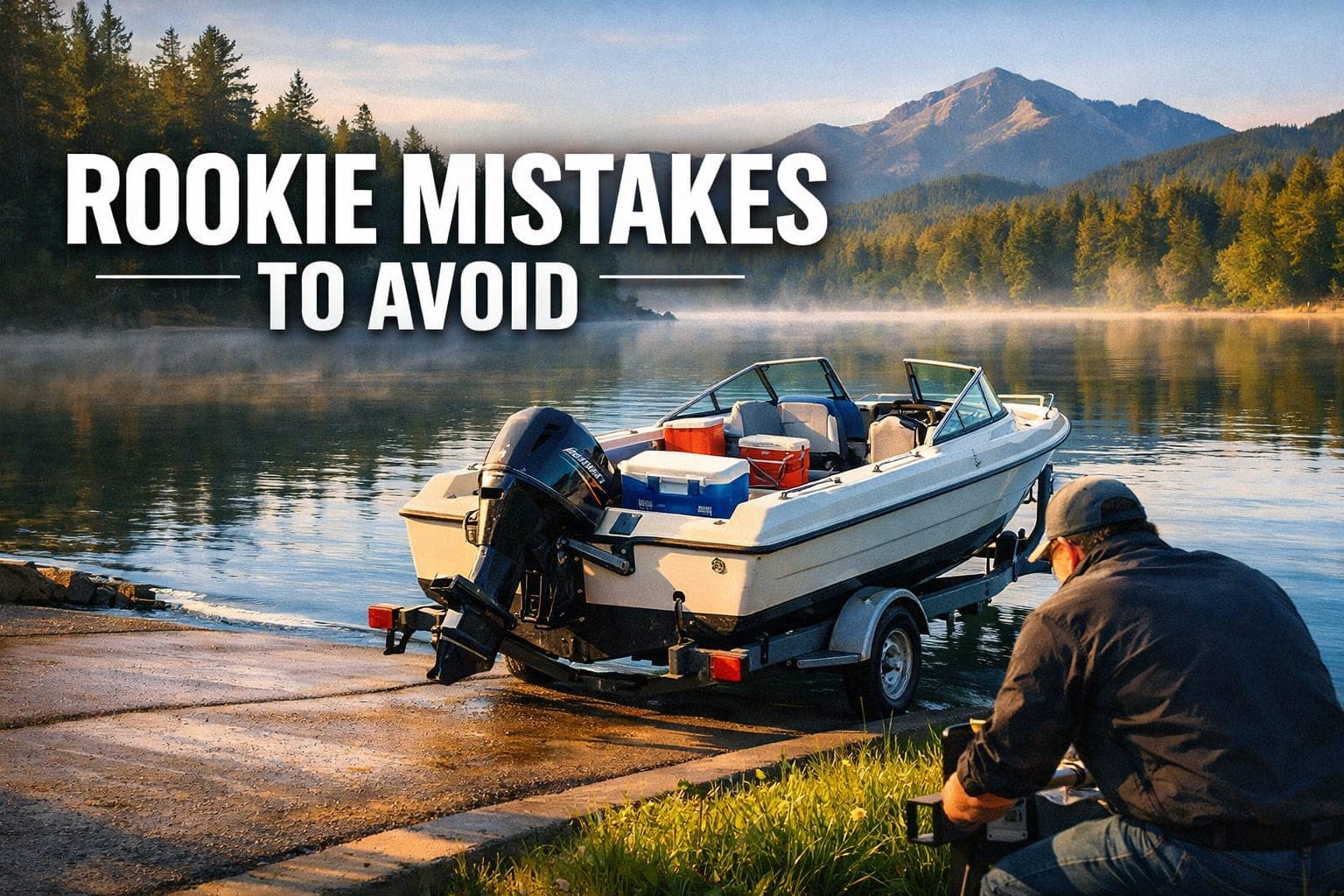

The first weekend out is a rite of passage. Whether you bought your boat this winter or you're just rusty from a long off-season, those first two days back on the water tend to expose every corner you cut on your prep. I've watched plenty of new owners (and a few experienced ones) learn hard lessons in the first 48 hours, and most of them were completely avoidable.
The good news is the mistakes are predictable. If you know where people slip up, you can plan around them. Here's what I wish more first-time boaters thought about before untying the lines.
Underestimating How Much Time Everything Takes
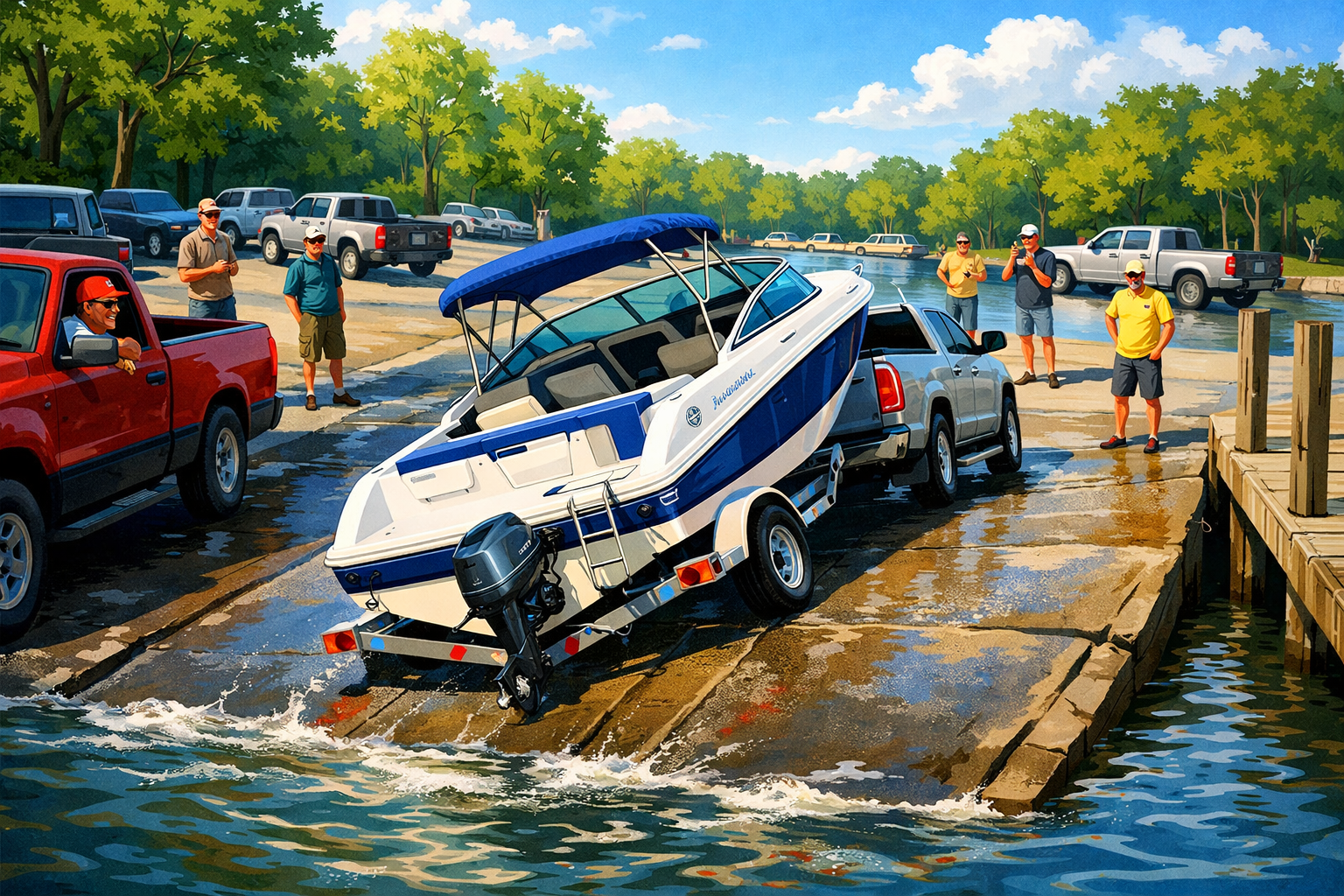
If you're new, plan for your first launch to take twice as long as you expect. Backing a trailer, fueling up, rigging lines, loading coolers, prepping the engine — it all adds up. I've seen couples show up at 9 a.m. intending to be out by 9:30 and still be at the ramp at noon. That's not a failure; that's normal. The failure is getting frustrated and skipping steps to catch up.
Give yourself a generous buffer, especially on the first weekend. Pack the night before. Do a dry run of your pre-launch checklist on the driveway. If you're completely green, my beginner's guide to your first voyage walks through the mental flow most experienced boaters follow automatically.
Overpacking the Fun, Underpacking the Essentials
Everybody remembers the cooler. Not everyone remembers the extra dock line, the hand-held spotlight, or a phone charger that actually works off 12V. The stuff that saves your weekend is rarely exciting to pack. Think about what you'd need if the engine quit, if you came in after dark, or if the weather turned. That's your real packing list.
Water and sunscreen seem obvious but still get skipped. A sunburn ends your weekend faster than you'd think. Bring more drinking water than you need. Bring layers — even on a warm spring day, the wind offshore or on open water strips heat out of you fast. A dry bag with spare clothes is worth its weight.
Ignoring the Weather Window
New boaters tend to trust the forecast too blindly or ignore it completely — there isn't much middle ground. Check the marine forecast, not just the app on your phone. Wind, wave height, and the direction matter more than the temperature. A 15-knot wind blowing into a shallow bay creates a very different day than 15 knots tucked behind an island.
If you're unsure, stay in. The water will be there next weekend. No experienced boater I know has ever regretted staying at the dock. Plenty have regretted going out anyway. Build the instinct early — a boat can be replaced; an afternoon fighting whitecaps with seasick passengers changes how people feel about boating, and that's harder to undo.
Docking Without a Plan
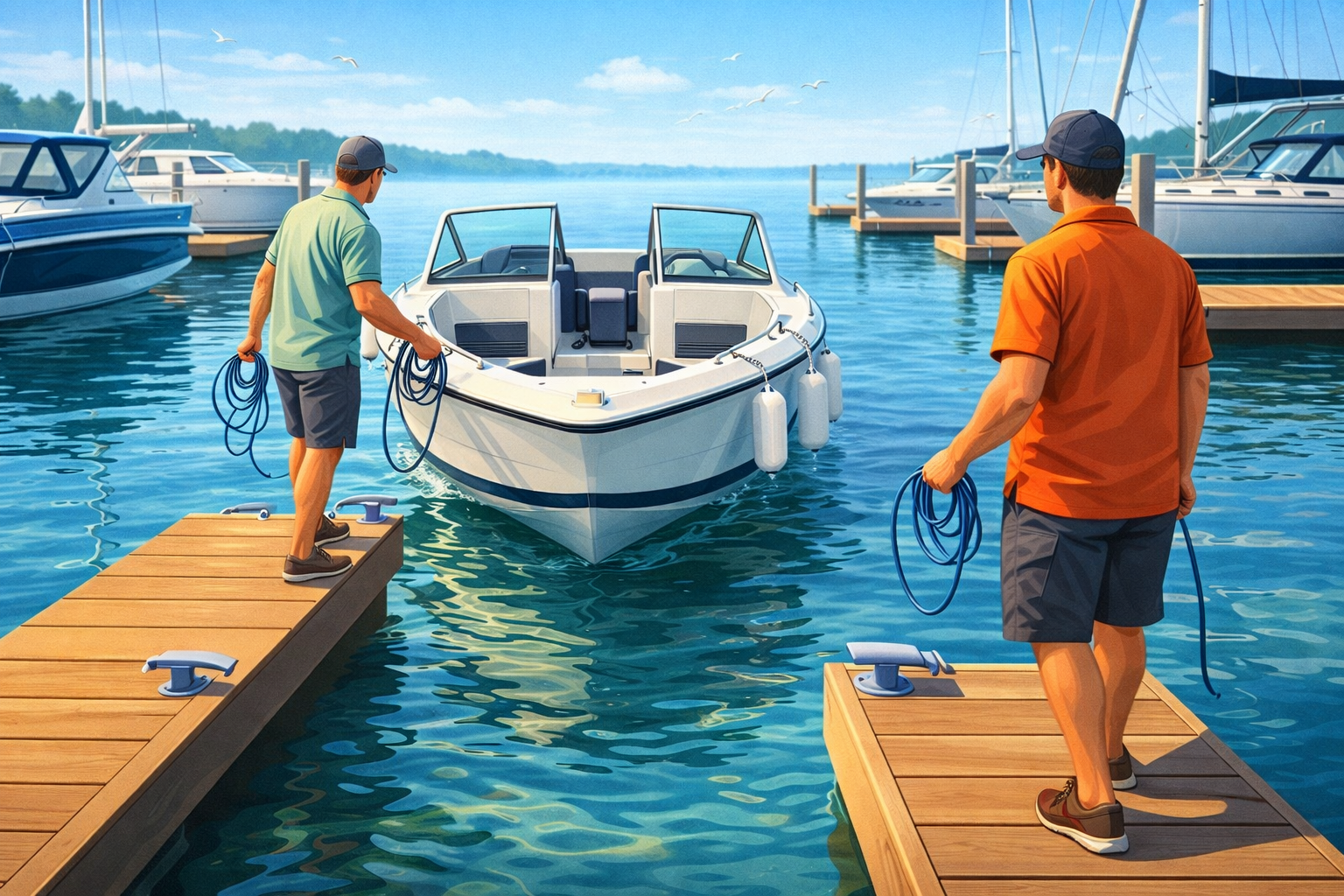
The moment you commit to a slip is the moment things get stressful if you haven't thought it through. Approach slowly. Pick your side. Have fenders already hung on the correct rail. Brief your crew before you're ten feet from the dock — not while you're drifting sideways into it. Assign specific jobs: who steps off first, who ties the bow, who handles the stern.
Wind and current will push you around more than you expect, and they'll do it regardless of how slow you're going. It's better to abort an approach and circle back than to muscle a bad one. Nobody on the dock will judge you for coming around again. They will judge you for putting a gouge in a neighboring boat.
Skipping the Post-Trip Routine
When you pull the boat home or tie up in the slip, the temptation is to walk away. Don't. Five minutes of rinsing the exterior, flushing the engine, wiping down seats, and pulling out the cooler saves hours of work later. Salt doesn't wait. Upholstery doesn't forgive puddles.
It's also the time to notice small things — a loose bolt, a squeaky hinge, a light that didn't come on. Catching those during spring saves you real money later. If you're curious about the ongoing cost side of this lifestyle, I broke it down in the real cost of boat ownership — there are fewer surprises when you know what's coming.
Your first weekend back is supposed to be fun, not perfect. You'll forget something, you'll scuff something, you'll learn the boat all over again. That's part of it. The goal is to avoid the mistakes that turn a good weekend into a bad memory — and almost all of those come down to rushing or assuming.
What's the biggest rookie mistake you made your first season? Drop it in the comments — every honest story helps a new boater skip the same lesson.