


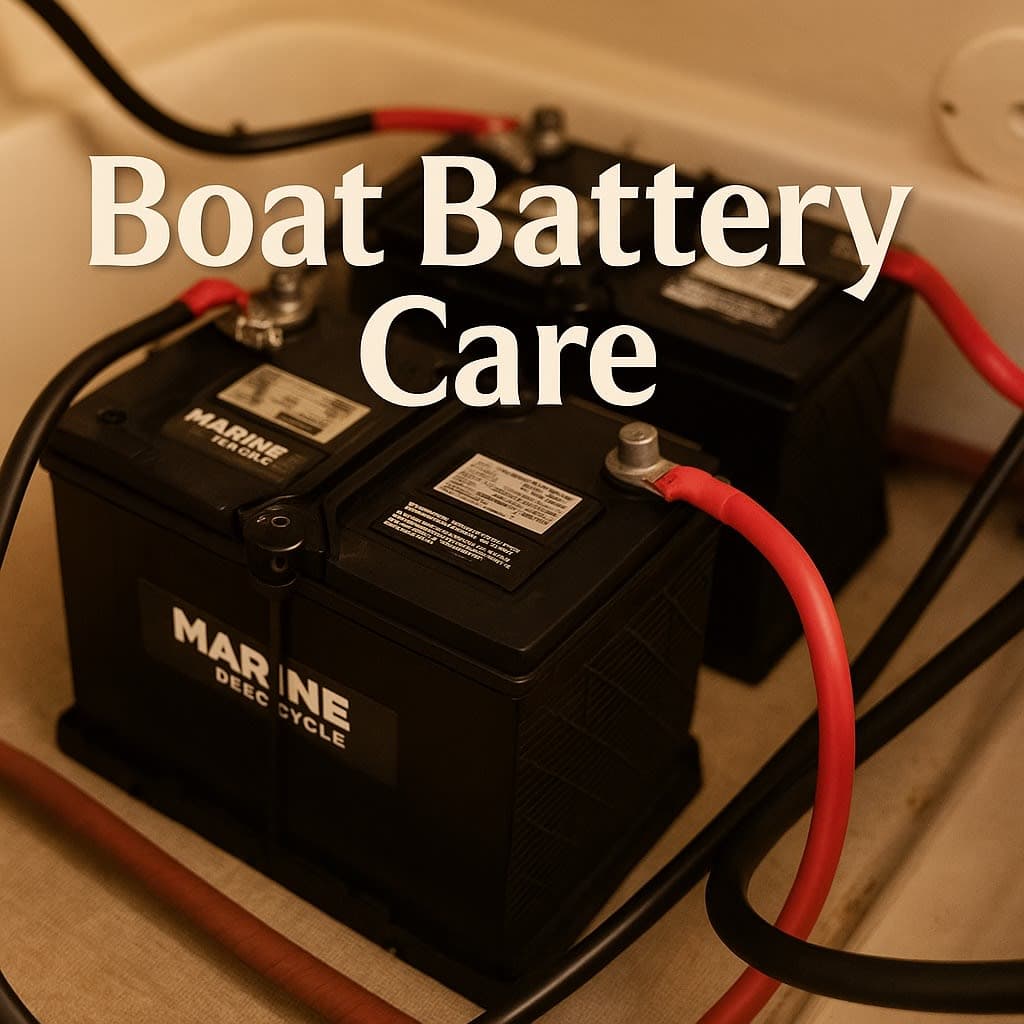

As boating winds down for the year, many owners focus on covering their decks, draining systems, and booking storage — but one of the most expensive and commonly overlooked items aboard is the battery bank. Neglecting your boat’s batteries over the winter can lead to corrosion, sulfation, and an unpleasant surprise when spring returns: a starter that won’t turn over.
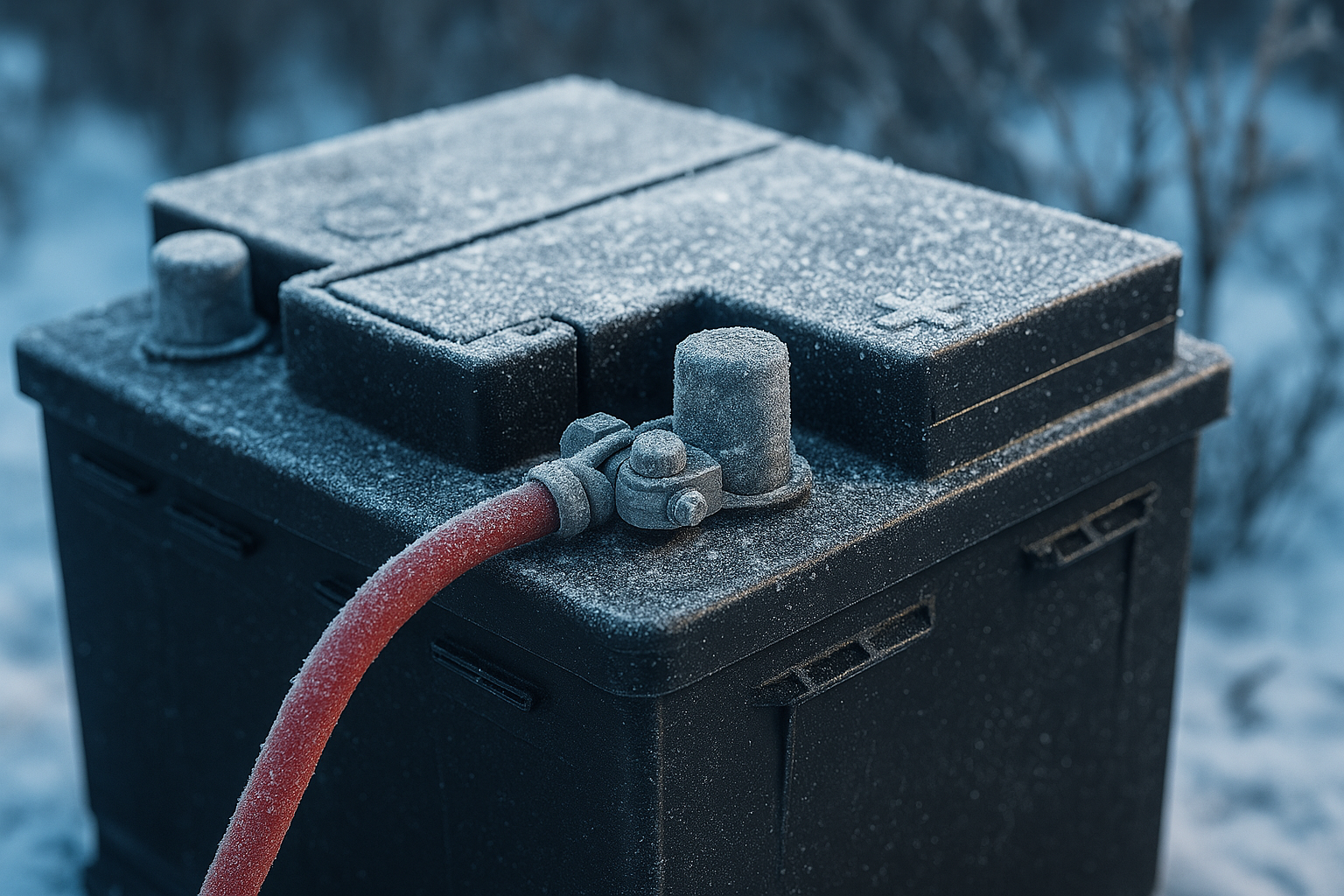
Maintaining battery health during the off-season isn’t complicated, but it does require a bit of planning. The goal is to prevent two main threats — deep discharge and freezing. Even when a boat isn’t in use, batteries naturally lose charge over time, especially in cold weather. Allowing voltage to drop too low can cause lead-acid batteries to sulfate, permanently reducing capacity. Lithium batteries are less prone to this, but they still benefit from a stable charge level and proper storage conditions.
Before you store your boat, make sure each battery is fully charged and cleaned. Remove corrosion with a baking-soda solution, tighten terminals, and apply a light coat of dielectric grease to prevent oxidation. If your boat will be in dry storage, disconnect the batteries or remove them entirely. A clean, dry, temperature-stable area between 40 and 70 °F is ideal. For boats that remain in the water, a smart charger or maintainer will keep voltage stable without overcharging.
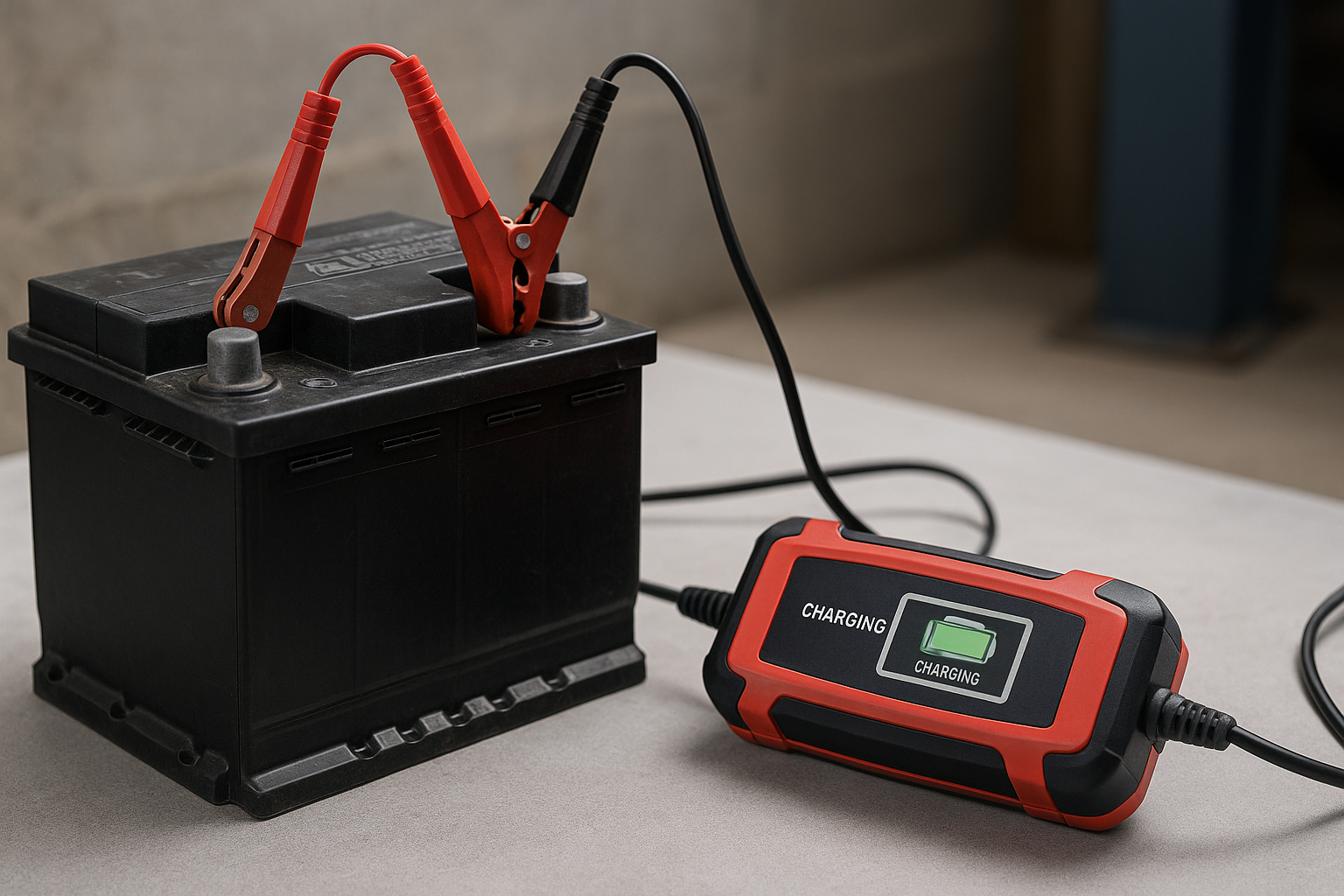
Monitoring is key. Check voltages periodically through the winter, or use a Bluetooth battery monitor if your system supports it. Even sealed AGM or lithium batteries appreciate occasional attention. A small solar maintainer is an excellent solution for uncovered vessels or moored boats that still draw minor parasitic loads from electronics.
When spring arrives, resist the urge to crank and go. Inspect each battery, clean terminals again, and confirm charge levels before reconnecting. A few minutes of prep ensures smooth starts and avoids unnecessary replacements — a simple win for any boater who values reliability and cost savings.
Taking care of your boat’s batteries during the off-season doesn’t just prevent headaches; it extends their lifespan and keeps you ready to launch when the weather turns. In short, a little maintenance now pays off with more dependable power, less expense, and a lot fewer surprises next spring.
Not sure what battery setup makes sense for your boat? Sailor can help you weigh the options.