


The anchor that came with your boat is probably the wrong one. That's not a knock on whoever rigged it â it's just how the industry works. A boat builder picks an anchor that fits the locker and meets minimum specs, not one that actually holds your hull in the sort of bottom you'll spend the night over. The result is a lot of boaters who think their ground tackle is fine until the wind clocks 25 knots at 2 a.m. and the chartplotter alarm starts screaming.
Picking the right anchor isn't complicated, but it does require you to think about three things in order: how big your boat is, what you're anchoring in, and how the anchor and rode work together. Get those right and you can stop treating your bow anchor as decoration.
Size the Anchor to Your Boat â Then Go One Up
Every anchor manufacturer publishes a sizing chart, and every one of those charts is built around a calm-day, good-bottom holding scenario. That's not the day you need an anchor. You need it when conditions go sideways. So treat the chart as the floor, not the target.
A 30-foot cruiser with the manufacturer-recommended 22-pound anchor will hold in flat water and a 12-knot breeze. The same boat with a 33-pound anchor will still be sitting where you put it when a 30-knot squall blows through. The cost difference is small, your sleep is worth more, and overnight cruisers should plan for the upgraded size from day one.
Windage matters as much as length. A flybridge boat catches more wind than a low express cruiser of the same overall length, and it should carry a heavier anchor. If your boat sits high, size up another increment past the chart.
Match the Anchor Type to Your Bottom
No anchor is best in everything. The trick is knowing what's under your hull in the places you actually anchor, and picking a design that bites that bottom. Mud and soft sand reward a wide-fluke anchor with a sharp tip. Rocky or weedy bottoms favor a roll-bar style that keeps resetting itself if the boat swings. Hard-packed sand will hold almost anything, but a plow or scoop-style anchor still sets faster and digs deeper than older designs.
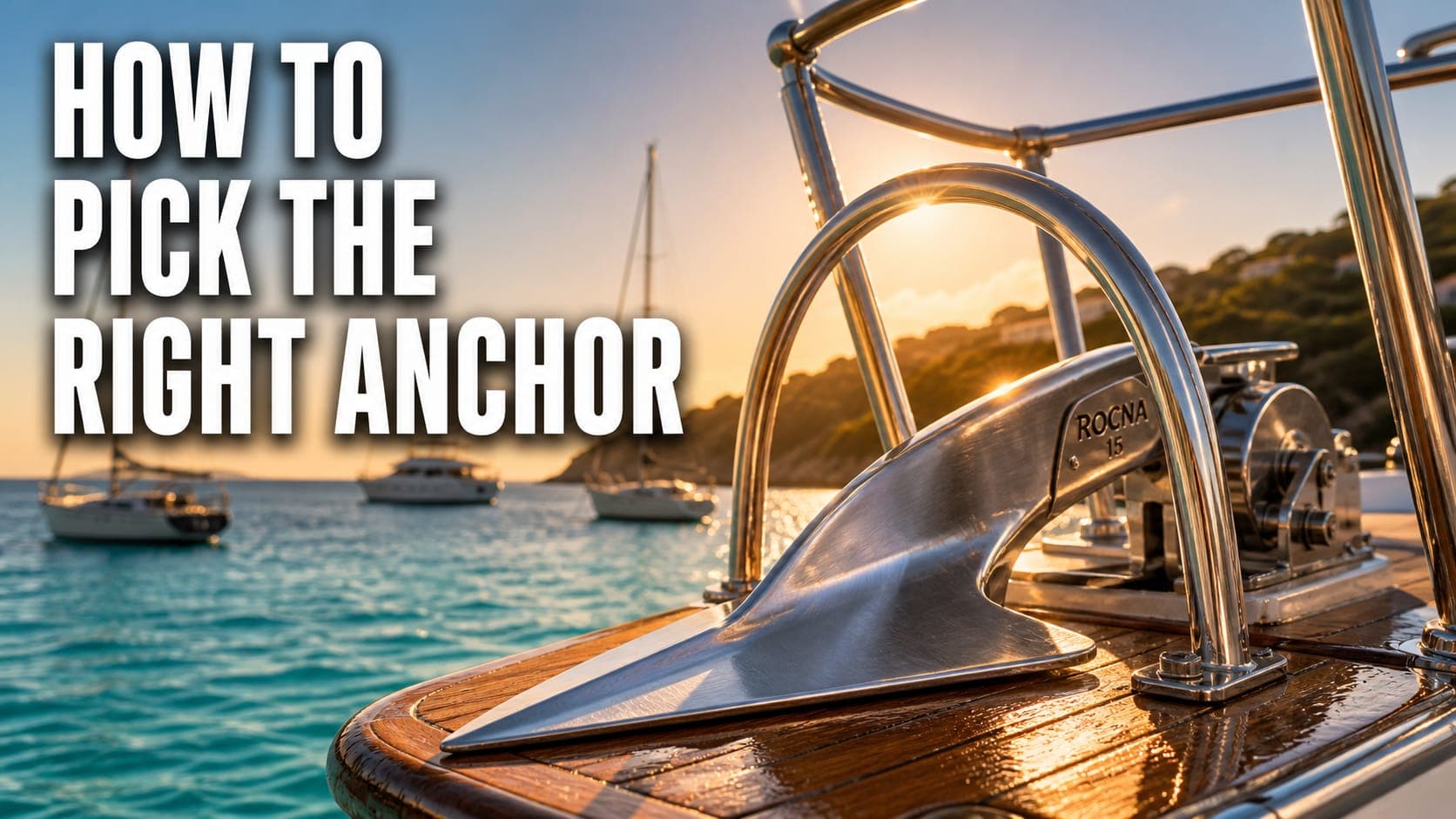
If you only buy one anchor and you boat in mixed conditions, a modern scoop-style anchor â the Rocna, the Mantus M2, or the Spade â is the closest thing to a do-everything pick. They set fast, they dig deep, and they reset without fuss when the wind shifts. The fluke-style anchors that come stock on most boats are fine for lunch hooks in soft mud and not much else.
Sailboaters and trawler owners who anchor often carry two anchors for a reason. A primary scoop on the bow roller plus a smaller secondary in a locker covers almost any situation, and gives you something to deploy if the first one drags or fouls.
Don't Cheap Out on the Rode
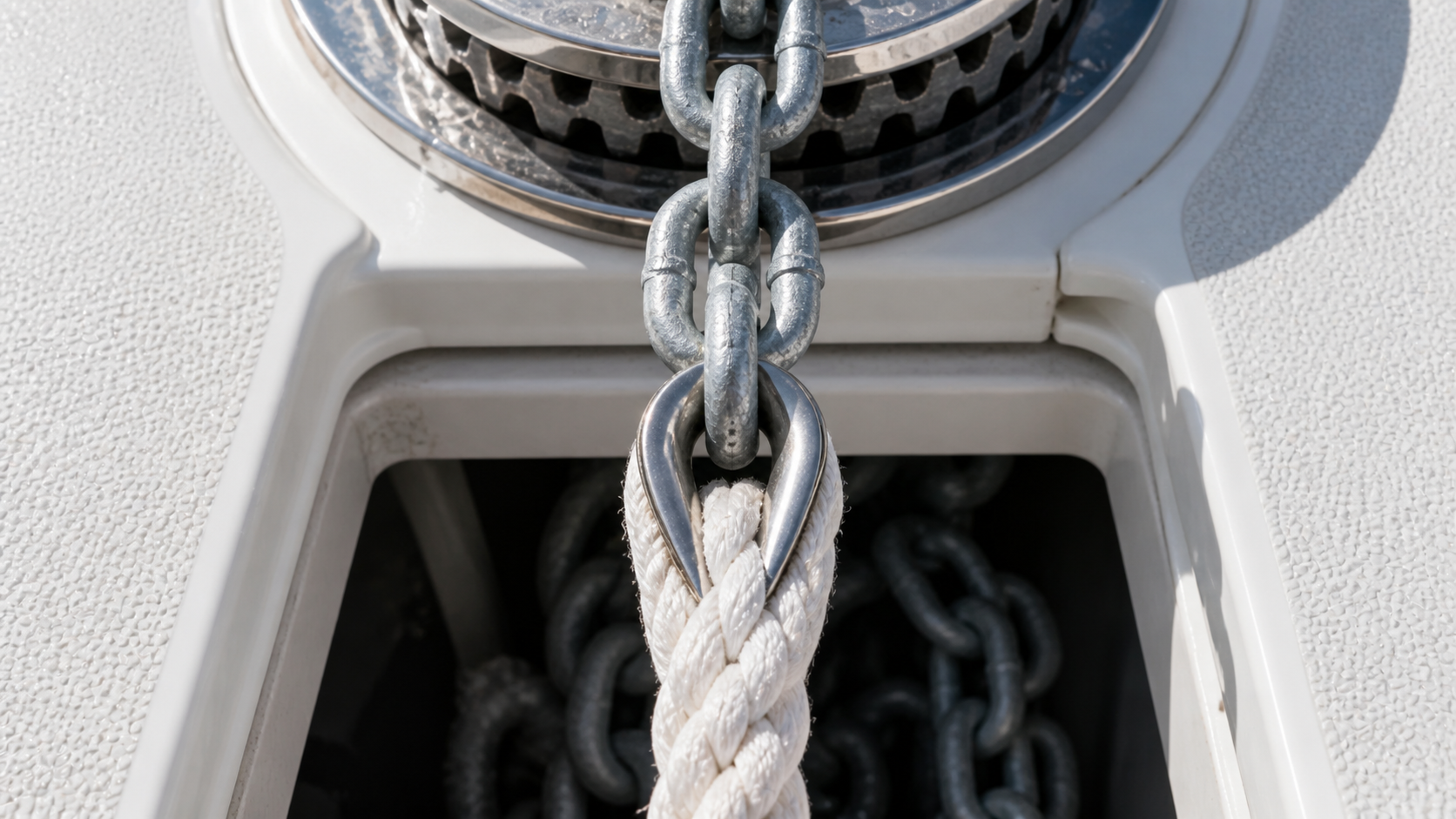
An anchor is only as good as what it's connected to. The chain and rope between the anchor and your boat â the rode â does half the work of holding you in place. The chain's weight pulls the shank flat against the bottom, which is what makes the anchor dig in. Skimp on chain and the anchor never gets to do its job.
For most boats under 40 feet, a chain leader of at least one boat length spliced to quality nylon line is a solid baseline. All-chain rode is better if your windlass and locker can handle it, especially overnight. Galvanized high-test chain is what professionals run; stainless looks great and costs three times as much.
Scope is the other half of the equation. The rule of thumb is at least 5:1 for a calm afternoon and 7:1 for an overnight stay â that's seven feet of rode out for every foot from your bow to the bottom, accounting for tide. Short scope is the single most common reason anchors drag. I covered the full setup process in a piece on anchoring overnight without dragging, and the fundamentals there apply whether you're picking an anchor or already on the hook.
What to Do Before You Buy
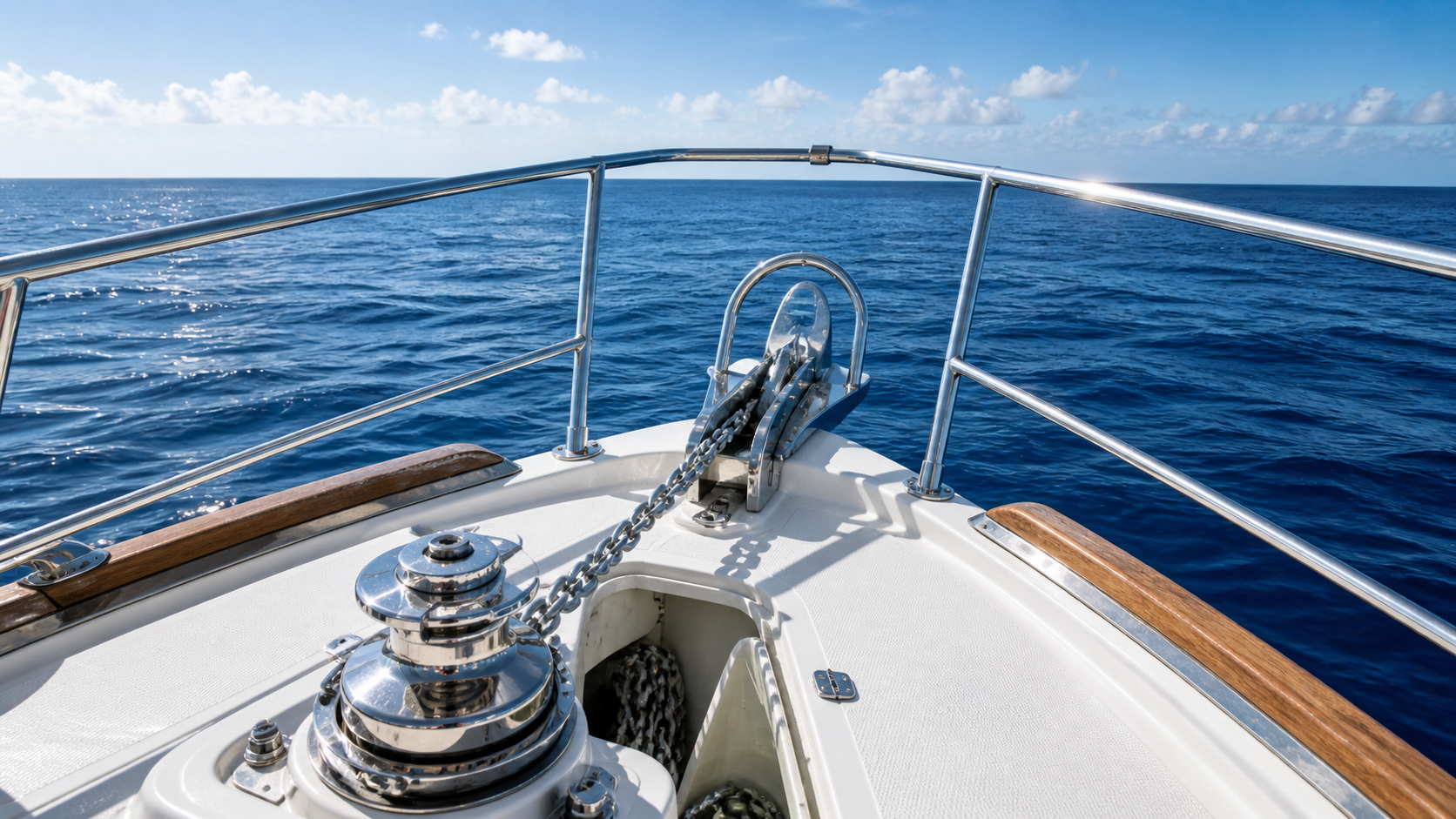
Before you pull the trigger on a new anchor, measure the bow roller. A roller that doesn't match the shank will let the anchor sit cocked, sway, and chew up your fiberglass. Take a tape measure to the roller, then check the manufacturer's spec sheet â some brands publish compatibility guides that save you from buying a stunning anchor you can't actually deploy.
Weigh the windlass too. A 1,000-pound windlass is rated to lift 1,000 pounds of dead weight, not 1,000 pounds of anchor and chain in moving water. Build in margin. If your new anchor pushes it past 70 percent of rated load, you're going to wear it out fast.
Last thing â buy from a real marine source, not a hardware store. Knock-off anchors are out there that look identical to the brand-name versions and hold like a brick. A counterfeit can fail in ways that ruin a season. This is one of the upgrades worth doing properly â for safety and for what it does to your boat's value when you sell.
The Right Anchor Is the One You Trust
Spend the money on the right size and type, hang it from real chain and proper rope, and let scope do the rest. Once you've used it a few times in real conditions, you'll stop checking the chartplotter every twenty minutes overnight. That's the test of a good anchor â not the spec sheet, but whether you actually sleep when it's deployed.
If you've upgraded your ground tackle or you're sitting on stock gear wondering whether it's enough, drop a comment with your setup â happy to weigh in.